
Annual Sparkling Tasting at The Wine Merchant in Naples
- Stevan Stanisic
- Dec 22, 2017
- 4 min read
Annual Sparkling Tasting, The Wine Merchant
The Wine Merchant
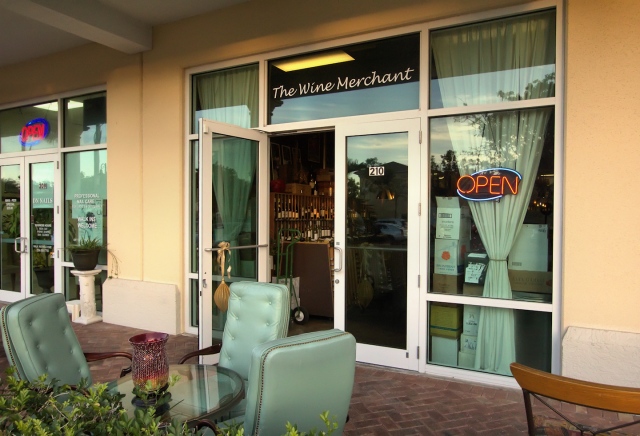 |
The Wine Merchant, Naples, FL |
is a boutique wine shop in Naples, FL. The present proprietor has owned this establishment for almost 14 years, and the business has been at it’s current location for 6. They host many wine tastings throughout the year. Perhaps one of the more notable is their Annual Sparkling Tasting. In it’s 9th year, this tasting, generally held in the beginning of December, featured over 45 champagnes and sparkling wines.
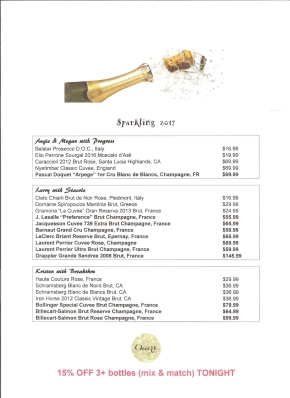
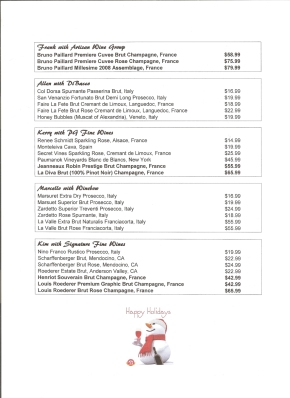
Eight different distributors featured their wares that evening. These ranged from smaller, Florida-based distributors, such as Di Bacco Imports to larger companies like The Winebow Group, with distributors in 17 states that includes Stacole Fine Wines servicing Florida. Each brought samples of champagnes and sparkling wines for this extraordinary event. As you peruse the list of wines served, you’ll notice different types of sparkling wines and terms used to describe them which can be confusing. Rather than discuss the flavor and character of each of the wines served here, which I am nowhere near qualified to do, I thought it would be more informative to talk about these wines in terms of generalities. In doing this, I hope the reader would get a better idea of what they were looking at on the tasting lists.
Sparkling wines can be defined by the amount of pressure in a sealed bottle. By European Union standards, sparkling wines must have at least 3 atmospheres of pressure, 1 atmosphere being about 15 psi.
What exactly is champagne and how does it differ from other sparkling wines? To be called champagne, this sparkling wine must be made from grapes grown in Champagne region of France, mostly pinot noir, chardonnay and pinot meunier. There are strict rules on growing, harvesting and processing in order to protect both growers and vintners economic interests. Champagne also must be made using the Méthode Champenoise, or the traditional method. After initial fermentation, additional yeast and sugar are added for a secondary fermentation in the bottle producing CO2 which form the bubbles in champagne. To remove the dead yeast (lees) after this process, the bottles are gradually rotated upside down so that the lees gather in the neck of the bottle. The bottle neck is then frozen and the frozen lees/wine mixture ejected upon opening the bottle. Of course, some wine is lost after this and the bottles must be topped off before being resealed. This is where the sweetness of champagne and some sparking wines comes into play. The wines added to replace that lost can have varying amounts of residual sugar. The final sweetness can range from ultra brut (least amount of sugar) to extra brut to brut, the latter being the most popular type of champagne in terms of sweetness. Finishing off the levels of sweetness and less common than the latter 3 designations are sec, demi-sec and the most sweet, doux. Sparking wines made from the traditional method usually end up being under high pressure, up to 90 psi or over twice that of an automobile tire. This is why wines made in this way usually are bottled using thicker glass to be able to withstand higher pressures.
Most champagnes and sparkling wines are blends of different years and are known as non vintage (nv). Blending is usually done to standardize the quality of the finished product. Some growing seasons are optimal and produce grapes of a higher quality. Champagnes and sparking wines produced from grapes from a single year are known as vintage, and are generally more expensive then their nv counterparts. This is also related to the term cuvee, which can mean blend but also the higher quality juice from the first press of the grapes, similar to extra virgin olive oil.
Champagnes can also be classified as blanc de blanc, literally white from white, and are usually made entirely from chardonnay grapes, which are white. These wines are usually favored over blanc de noirs, or white from black. Blanc de noirs are blends of white and red grapes, and can be more straw colored than their blanc de blanc counterparts. This differs from rose sparkling wines which are usually made by limiting the contact time of the grape skins with their juice during their primary fermentation. The exception to this are sparkling wines from Champagne, the only area in the world where it’s legal to add red wine to white to produce rose. Ironically, rose champagnes are usually pricier than their non rose counterparts.
There are other sparkling wines made using the traditional method, these include cremant, or sparkling French wine not from Champagne, cava from Spain and spumante in addition to frianciacorta from Italy. One sparkling wine prominent in the evening’s event was prosecco from Italy. Prosecco is usually not made using the traditional method but instead one known as the Charmat method. The Charmat method involves secondary fermentation in a stainless steel tank, and is bottled after the lees are filtered out. Prosecco is made from glera grapes and is becoming a very Popular alternative to champagne, probably due to it’s typically lower price point.
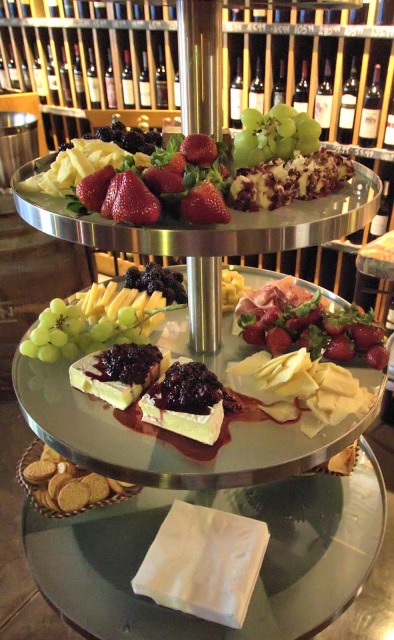 |
H’oderves assortment, Annual Sparkling Tasting |
There were also a number of cheeses, fruits and cured meats available to attendees which was great as I was getting hungry tasting all of these sparkling wines!
This was a wonderful event, and for tasting sparkling wines, probably one of the best in Southwest Florida. Some of the wines served here were well over $60.00/bottle, and for a fee of only $25.00, an unbelievable bargain for the quality and varieties of wines served. Highly recommended.
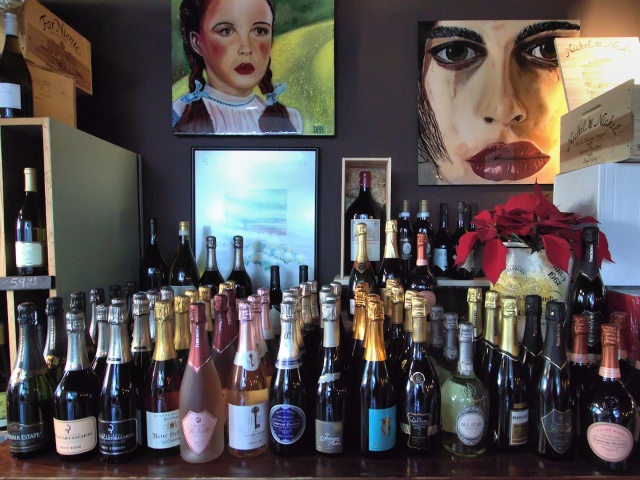 |
Sparkling wines, Annual Sparkling Tasting |
It’s a wrap for another post on Forks.
The Wine Merchant
13240 Tamiami Trail N. #210
Naples, FL 34110
(239)592-0000
Open 12-6 PM Tuesday-Saturday; All major credit cards accepted.
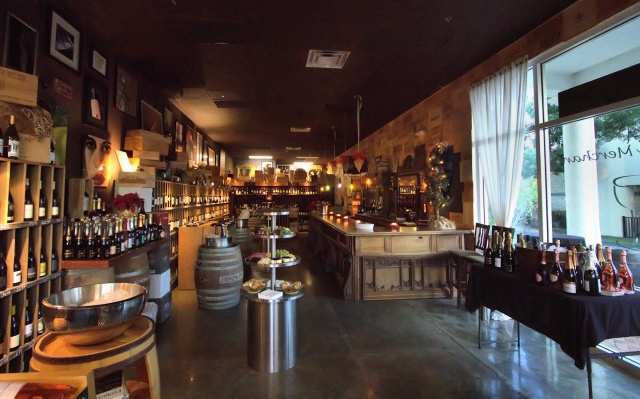 |
The Wine Merchant Annual Sparkling Tasting |
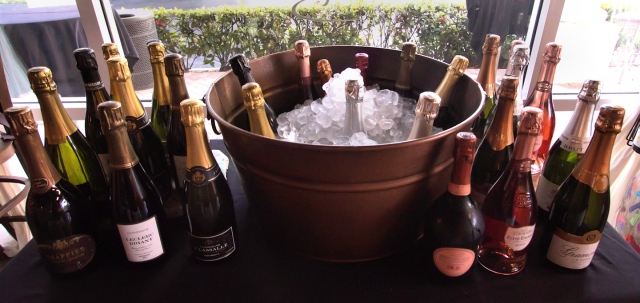 |
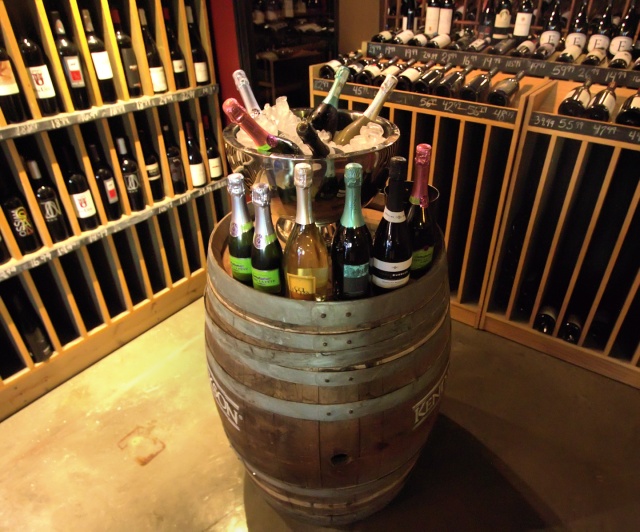
Sparkling wine selection, Stacole Fine Wines |
 |
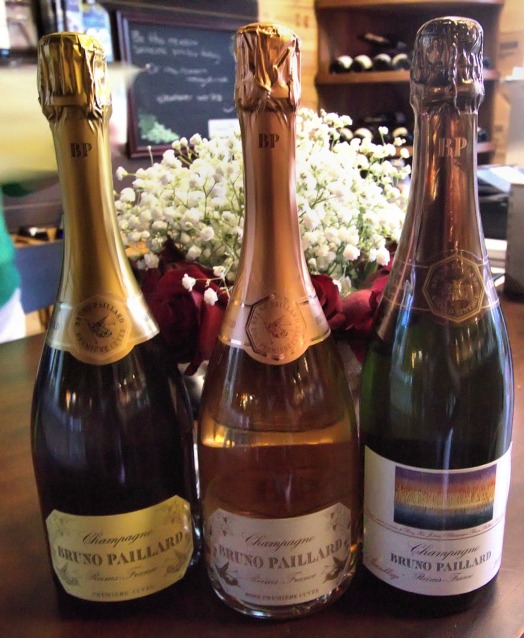
Sparkling wine selection, Di Bacco Imports |
 |
Sparkling wine selection, Artisan Wine Group |


Comments